
Crate Training Comfort: Making the Crate a Safe Haven, Not a Punishment
Crate Training Comfort: Making the Crate a Safe Haven, Not a Punishment
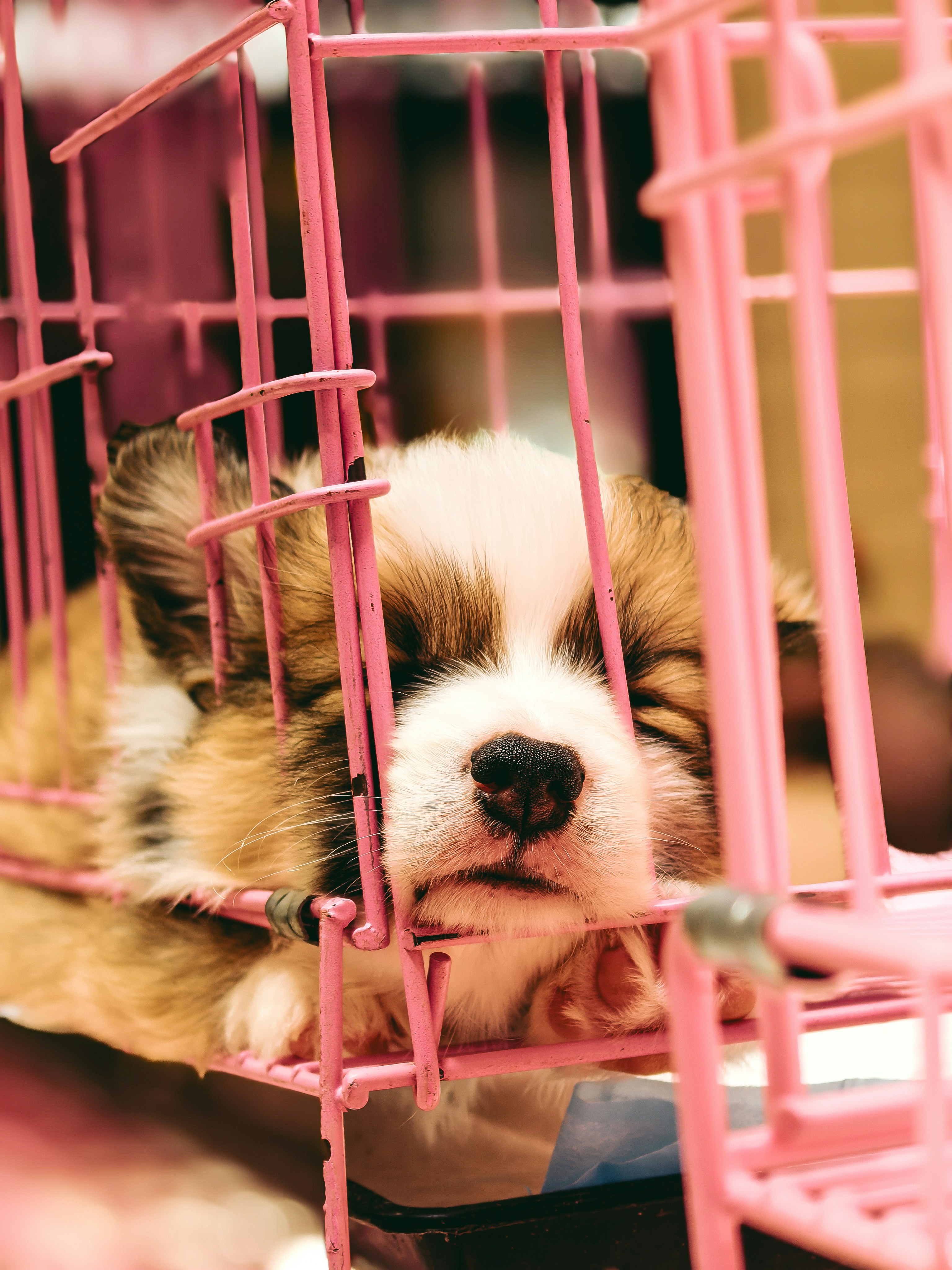
"Isn't crate training cruel?" "Won't my dog feel like they're in jail?" "I'd feel terrible locking my dog up!"
These are concerns we hear regularly from well-meaning dog parents. And while these worries come from a place of love, they often stem from misunderstanding how dogs perceive properly introduced crates.
The truth? When done correctly, a crate becomes your dog's favorite retreat—a personal sanctuary where they feel secure, relaxed, and content. Dogs are natural den animals, and a properly sized crate with positive associations satisfies their instinctual desire for a safe, enclosed resting space.
At AutoDoggy, we believe in crate training that prioritizes your dog's emotional wellbeing. We're not interested in forcing compliance; we want your dog to genuinely love their crate. Let's explore how to make that happen through proven, force-free methods.
The Benefits of Successful Crate Training
Before diving into the how-to, let's consider why positive crate training is worth the effort:
Safety and Security
- Injury prevention: Prevents access to household dangers when unsupervised
- Reduced anxiety: Provides a predictable, controlled space that helps many dogs feel secure
- Disaster preparedness: Crate-trained dogs adapt better to evacuation situations or emergency boarding
- Travel safety: Offers protection during car travel and prevents distracted driving
Practical Management
- Housetraining assistance: Leverages dogs' natural reluctance to soil their sleeping area
- Recovery support: Creates a contained space for restricted movement during medical recovery
- Multi-dog households: Allows for separate feeding or rest periods when needed
- Visitor management: Provides a safe space when contractors or guests visit
Emotional Wellbeing
- Overstimulation control: Offers a retreat when the environment becomes too exciting
- Stress reduction: Many dogs voluntarily seek their crates during stressful situations
- Clearer communication: Helps dogs understand when it's time to settle versus play
- Confidence building: A secure "home base" can improve overall confidence in anxious dogs
When done properly, crate training is a kindness that enhances your dog's quality of life and strengthens your relationship.
The Right (and Wrong) Ways to Approach Crate Training
Successful crate training hinges on your mindset and approach:
What Works
- Positive association building: Pairing the crate with wonderful experiences
- Gradual progression: Moving at your dog's comfort pace
- Environmental setup: Making the crate genuinely inviting and comfortable
- Choice: Allowing your dog to enter voluntarily whenever possible
- Rewards: Generously acknowledging and reinforcing chosen crate use
What Doesn't Work
- Force: Physically pushing or dragging your dog into the crate
- Punishment: Using the crate for time-outs or discipline
- Excessive confinement: Keeping your dog crated for inappropriate durations
- Negative associations: Showing anger or frustration during crate training
- Rushing: Moving too quickly through training steps before your dog is ready
The Complete Crate Training Protocol: 5 Phases to Success
Let's break down the process into manageable phases. Remember, the timeline varies significantly between dogs—some will progress through all phases in a week, while others might take months. The key is moving at your individual dog's pace.
Phase 1: Introduction and Positive Association
The goal: Your dog sees the crate as a predictor of wonderful things.
Implementation:
- Set up the crate in a family area where your dog won't feel isolated
- Leave the door open or completely removed initially
- Toss high-value treats inside randomly throughout the day
- Feed regular meals near, then gradually inside the crate
- Place favorite toys inside, refreshing them regularly
- Never force your dog to enter—let them investigate at their own pace
- Ignore the crate when your dog shows interest; avoid hovering or coaxing
Success indicators:
- Your dog willingly approaches and enters the crate multiple times
- You observe your dog checking the crate independently to see if treats appeared
- Your dog appears relaxed and curious rather than hesitant around the crate
Phase 2: Building Duration with the Door Open
The goal: Your dog relaxes inside the crate for increasing periods with the door open.
Implementation:
- Create a comfortable bedding setup (unless your dog tends to chew bedding)
- Introduce duration-extending activities inside:
- Long-lasting chews like bully sticks or safe bones
- Stuffed frozen Kongs or lick mats
- Puzzle toys that dispense food gradually
- Sit nearby reading or watching TV while your dog enjoys these items
- Begin saying a crate cue (like "crate" or "bed") when they enter
- Reward calm behavior inside with occasional treats tossed in
- Practice throughout the day rather than in one long session
Success indicators:
- Your dog settles in the crate to enjoy chews for 15+ minutes
- Your dog may begin napping in the crate voluntarily
- Your dog readily enters when you use your crate cue
Phase 3: Introducing Door Closure
The goal: Your dog remains comfortable while the door closes for brief periods.
Implementation:
- With your dog engaged with a high-value long-lasting treat inside:
- Close the door for just 1-3 seconds
- Open before they finish the treat or show any concern
- Gradually extend closure time: 5 seconds, 10 seconds, etc.
- Feed occasional treats through the bars while the door is closed
- Stay in sight initially, sitting nearby casually
- Use a release cue when opening the door, like "free" or "okay"
- Never open the door in response to whining, barking, or pawing
- Open the door when your dog is momentarily quiet
Success indicators:
- Your dog shows no distress when the door closes
- Your dog remains engaged with their activity through brief closures
- Your dog doesn't rush out immediately when the door opens
Phase 4: Building Duration with Door Closed
The goal: Your dog remains comfortable in the closed crate for longer periods while you're present.
Implementation:
- Gradually extend closed-door sessions from 1 minute to 5, 10, 15, and up
- Continue providing excellent occupiers during these sessions
- Begin moving around the room rather than sitting beside the crate
- Periodically approach and drop in treats for calm behavior
- Start practicing brief departures from the room (seconds at first)
- Return before your dog shows anxiety
- Incorporate crate time into your daily routine
Success indicators:
- Your dog relaxes in the closed crate for 30+ minutes while you're in the room
- Your dog doesn't react when you move around or briefly leave the room
- Your dog settles quickly after initially engaging with their activity
Phase 5: Alone Time and Night-Time Crating
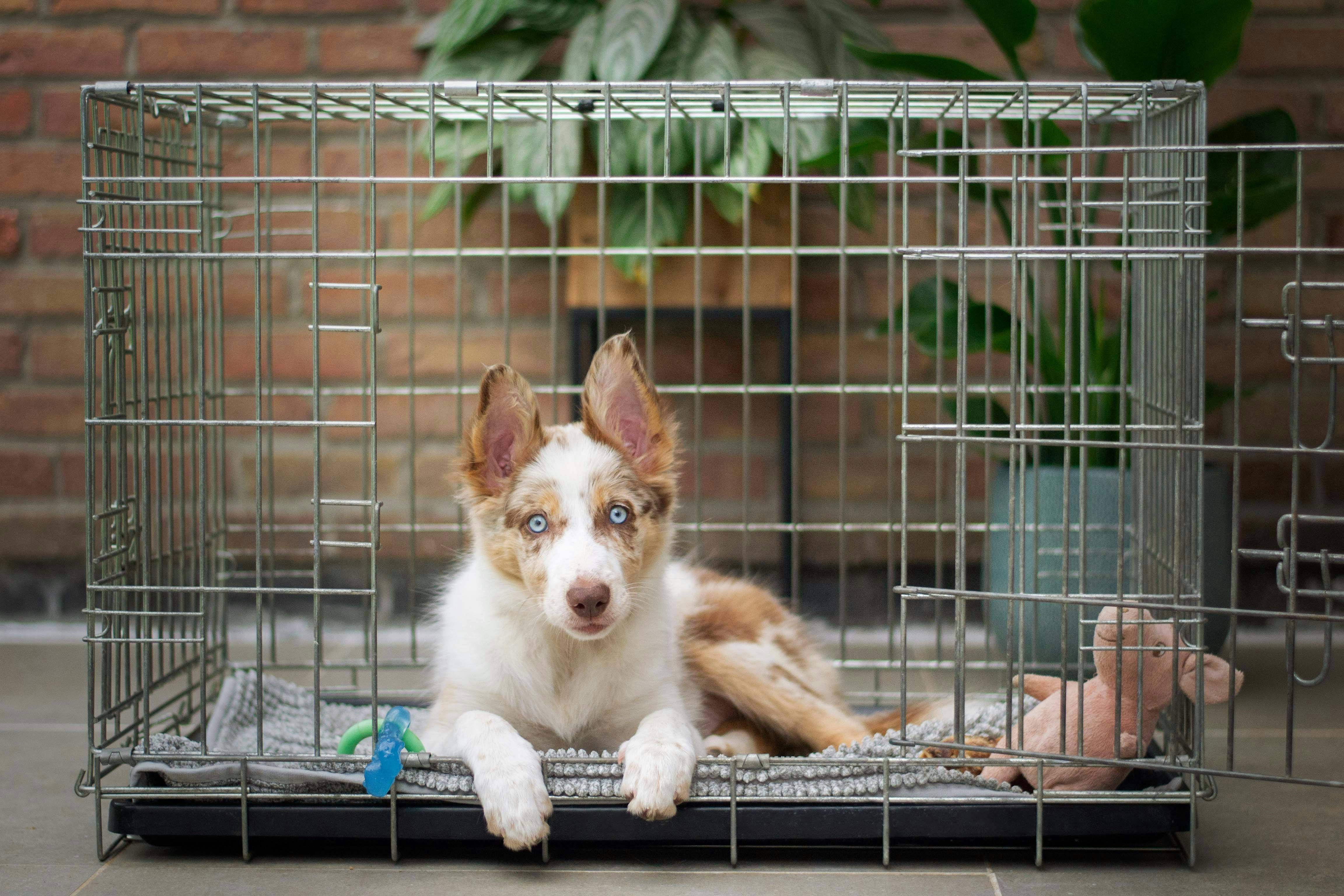
The goal: Your dog remains comfortable in the crate when you're out of sight and overnight.
Implementation:
- Gradually extend out-of-sight time, starting with brief absences
- Return before any anxiety develops initially
- Practice "fake departures" where you go through leaving routines but return quickly
- Begin real-life short absences, gradually building duration
- For overnight crating:
- Place the crate in your bedroom initially for most dogs
- Establish a consistent pre-crate bedtime routine
- Ensure adequate exercise earlier in the day
- Ignore minor fussing but attend to persistent distress
- Gradually move the crate to a preferred location if desired
Success indicators:
- Your dog settles in the crate when left alone for increasing periods
- Your dog goes into their crate at night willingly
- Your dog remains calm during absences (monitored by camera if needed)
Special Scenarios and Adaptations
The basic protocol works for most dogs, but some situations require specialized approaches:
For Fearful Dogs
If your dog shows true fear of the crate:
- Consider starting with a different containment option (exercise pen, baby-gated room)
- Begin with just the crate bottom as a bed, no door or top
- Add sides, top, and door incrementally as your dog shows comfort
- Keep sessions extremely short and positive
- Consider a different crate style (some dogs prefer soft-sided, others wire or plastic)
- Never force a fearful dog into the crate; this confirms their fears
- Consider professional support for severe crate anxiety
For Puppies
Young puppies require special consideration:
- Start crate training from day one
- Expect frequent bathroom breaks (roughly every 2 hours initially)
- Position crate near your bed for nighttime comfort initially
- Respond to legitimate bathroom needs, not just fussing
- Create a specific pre-crate routine to build predictability
- Consider a divider to adjust crate size as they grow
For Adult Dogs with No Crate Experience
Dogs new to crating may need extra patience:
- Progress more slowly through the phases
- Be especially generous with high-value crate-only treats
- Consider using a different location than previous owners if the dog was crated negatively
- Stay extra attentive to body language indicating stress
- Provide alternative options if the dog shows persistent distress
For Separation Anxiety
Dogs with separation issues need a modified approach:
- Work on separation anxiety training separately from crate training initially
- Consider whether a crate is the best option; some dogs with separation anxiety do better with more space
- Keep the crate in a location where the dog feels most secure
- Use a camera to monitor distress levels when alone
- Consider professional help to address the underlying anxiety
Troubleshooting Common Crate Training Challenges
Even with perfect technique, challenges can arise:
Whining and Barking
- Determine the cause: bathroom needs, attention-seeking, or true distress
- Address legitimate needs but avoid reinforcing attention-seeking
- Return to easier steps if distress is genuine
- Ensure adequate exercise and mental stimulation before crating
- Never punish vocalizations—this creates negative associations
Reluctance to Enter
- Return to earlier training phases with better rewards
- Try a different treat that's only available in the crate
- Verify the crate is comfortable (temperature, bedding, size)
- Check that the crate hasn't become associated with something unpleasant
- Practice the "in and out" game, rewarding for brief entries
Escape Attempts or Destructiveness
- Ensure the crate is secure and appropriately sized
- Remove collars when crating to prevent catching
- Return to shorter durations to build success
- Verify you're not crating for too long
- Consider a more durable crate design if needed
- Rule out separation anxiety, which requires different treatment
Crating Duration Guidelines: How Long Is Too Long?
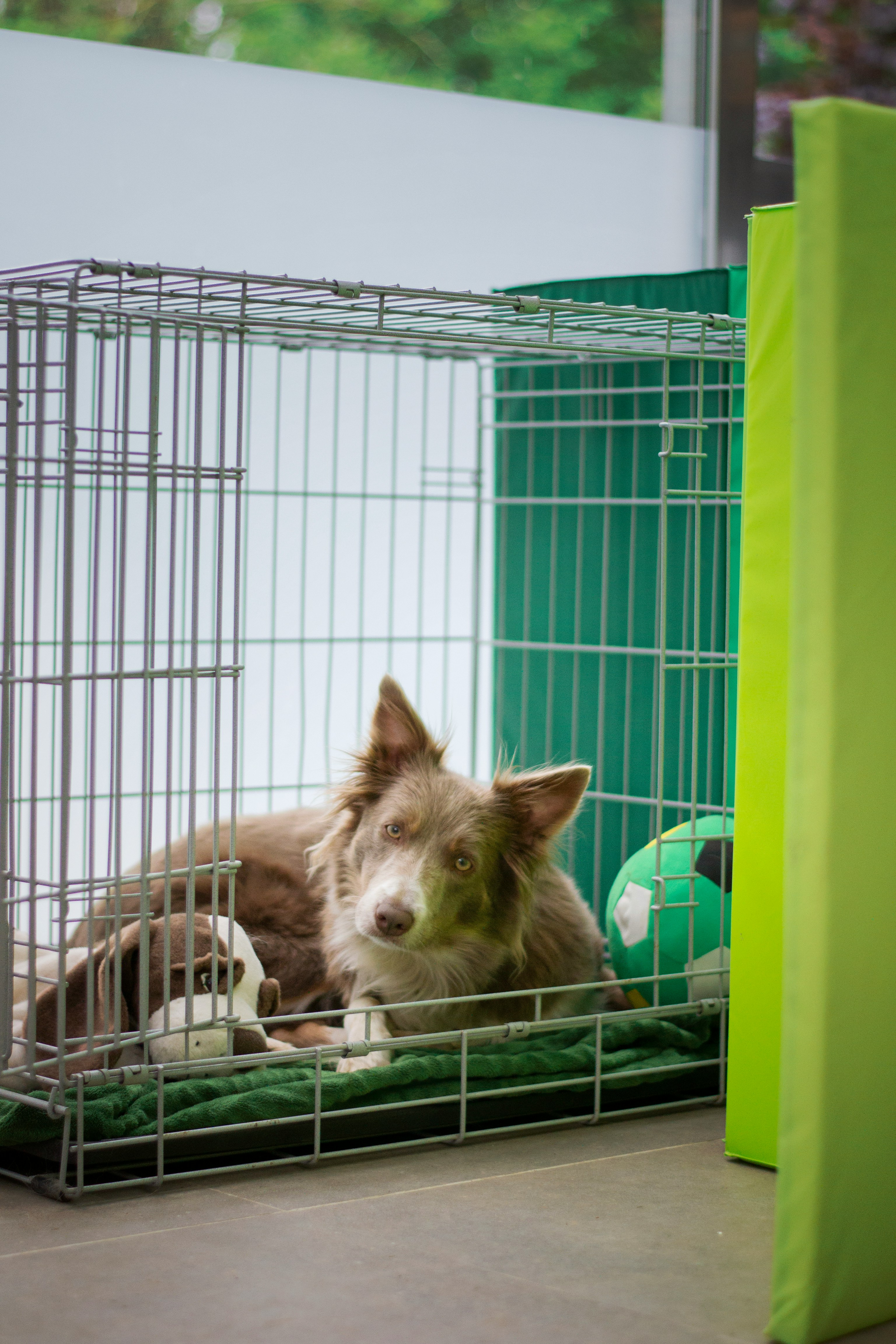
While individual needs vary, these guidelines offer a starting point:
- Puppies: Maximum hours = age in months + 1, up to 4-5 hours
- Adult dogs: Typically 4-6 hours maximum during the day
- Overnight: 8 hours for adult dogs with appropriate exercise
- Senior dogs: Often need more frequent breaks than adults
Remember that these are maximums, not daily targets. The ideal is the minimum amount of crating needed for safety and household management, supplemented with plenty of exercise, interaction, and freedom when possible.
Beyond Basic Crate Training: Advanced Techniques
Once your dog is comfortable in their crate, consider these advanced skills:
"Go to Crate" from a Distance
Teach your dog to head to their crate from anywhere in the house:
- Start with your cue when they're facing the crate
- Gradually increase distance by small increments
- Reward generously for successful responses
- Practice in different contexts and locations
- Use real-life reinforcement (crating before walks, meals, etc.)
Crate Relaxation Protocol
Develop deep relaxation in the crate:
- Work through Karen Overall's Relaxation Protocol within the crate
- Reward calm, settled behavior rather than just entering
- Practice with increasing household distractions
- Develop a "settle" cue specifically for crate time
- Reward spontaneous relaxation heavily
Multiple Crate Locations
Help your dog generalize crate comfort:
- Introduce a second crate in another location once the first is solid
- Use the same bedding and setup for familiarity
- Transfer cues and expectations systematically
- Consider a travel crate for car trips and vacations
- Maintain consistent rules across different crates
Crate Alternatives: Other Options to Consider
While crates work wonderfully for many dogs, alternatives can be appropriate:
- Exercise pens: Provide more space while still containing
- Dog-proofed rooms: Secured with baby gates
- Tall baby gates: Create boundaries while allowing more freedom
- Tethering: Supervised attachment to furniture or your waist
- GPS technology: Tracking for very reliable dogs with more freedom
The right containment solution depends on your dog's temperament, your living situation, and safety considerations.
The Lifelong Crate: Maintaining Positive Associations
Even after successful training, maintain these practices to preserve positive associations:
- Periodically provide special treats in the crate, even for established dogs
- Never use the crate as punishment
- Keep the crate clean and comfortable
- Respect your dog's voluntary use of the crate as a "do not disturb" signal
- Maintain reasonable duration limits appropriate to your dog's age and needs
Many properly trained dogs will choose their crates voluntarily throughout their lives, especially during stressful times or when seeking uninterrupted rest.
At AutoDoggy, our AI-highly focused, personalized training plans training plans can create a customized crate training protocol based on your dog's age, previous experiences, and specific challenges. We provide day-by-day guidance to help implement these force-free techniques effectively.
Ready to help your dog love their crate? Get your personalized crate training plan from AutoDoggy today.