
Stop the Tug-of-War: 5 Positive Steps to Leash Training Success
Stop the Tug-of-War: 5 Positive Steps to Leash Training Success
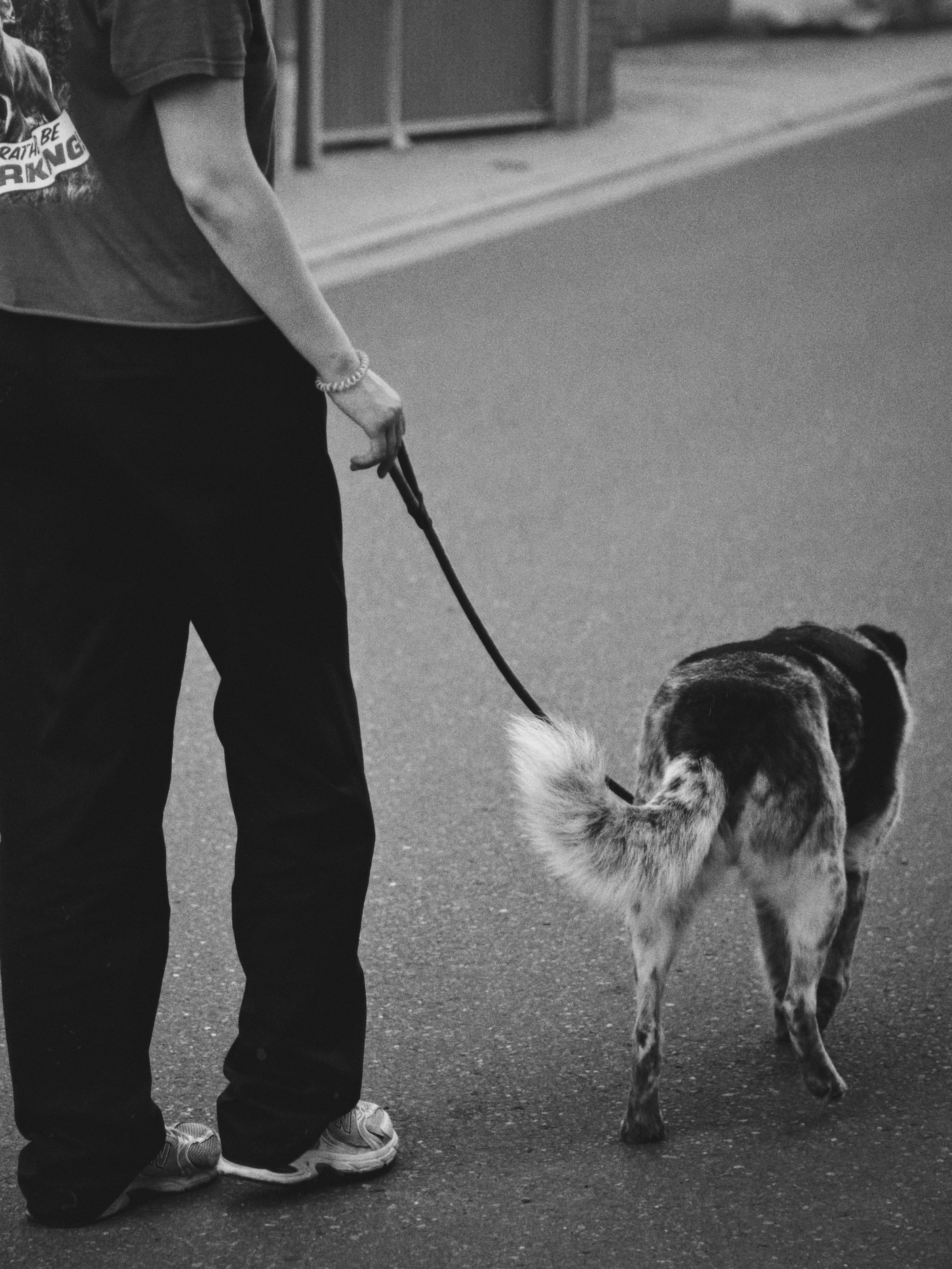
Few things are more frustrating than a dog who constantly pulls on the leash. What should be an enjoyable walk becomes an arm-wrenching battle of wills, leaving both you and your dog stressed and exhausted. The good news? Loose-leash walking is an achievable skill for any dog with the right approach and consistent practice.
At AutoDoggy, we've analyzed thousands of successful training plans, and we've identified the key elements that transform leash-pullers into perfect walking companions. Let's break down the five positive steps that can end the tug-of-war for good.
Understanding Why Dogs Pull
Before diving into techniques, it's important to understand why dogs pull in the first place:
- Natural walking speed: Dogs typically walk faster than humans and have four legs to our two.
- Excitement and stimulation: The outside world is filled with enticing scents, sounds, and sights.
- Reinforcement history: If pulling has successfully gotten them where they want to go in the past, they've learned that pulling works.
- Lack of training: Many dogs simply haven't been taught an alternative behavior.
Remember, your dog isn't pulling to dominate you or be stubborn—they're just doing what has worked before and what comes naturally to them.
Step 1: Start With the Right Equipment
The foundation of successful leash training begins with appropriate walking gear:
- Front-clip harness: These harnesses attach at the chest and gently redirect your dog's momentum when they pull, making them excellent training tools.
- Back-clip harness: While not as effective for determined pullers, these can work well for mild pulling and are comfortable for your dog.
- Standard flat collar: Once your dog has mastered loose-leash walking, a flat collar is perfectly suitable for many dogs.
- Long training leash: A 6-15 foot leash gives your dog freedom during training sessions while maintaining control.
What we don't recommend are tools that cause pain or discomfort, such as choke chains, prong collars, or shock collars. These can create fear and anxiety around walks, damage the trust between you and your dog, and often lead to increased reactivity over time.
Step 2: Master the Art of Being Boring
One of the most effective techniques for loose-leash walking is deceptively simple: become incredibly boring when your dog pulls.
Here's how to implement this game-changing approach:
- Stop and stand still the instant your dog pulls. Don't jerk the leash or scold—simply become like a tree.
- Wait patiently until your dog creates slack in the leash, even if it's just turning to look at you.
- Immediately resume walking when the leash is loose, effectively rewarding the slack leash.
- Repeat consistently, even if you only manage to take a few steps at first.
This technique teaches your dog a fundamental lesson: pulling achieves the opposite of what they want. When they pull, progress stops. When they create slack, the walk continues.
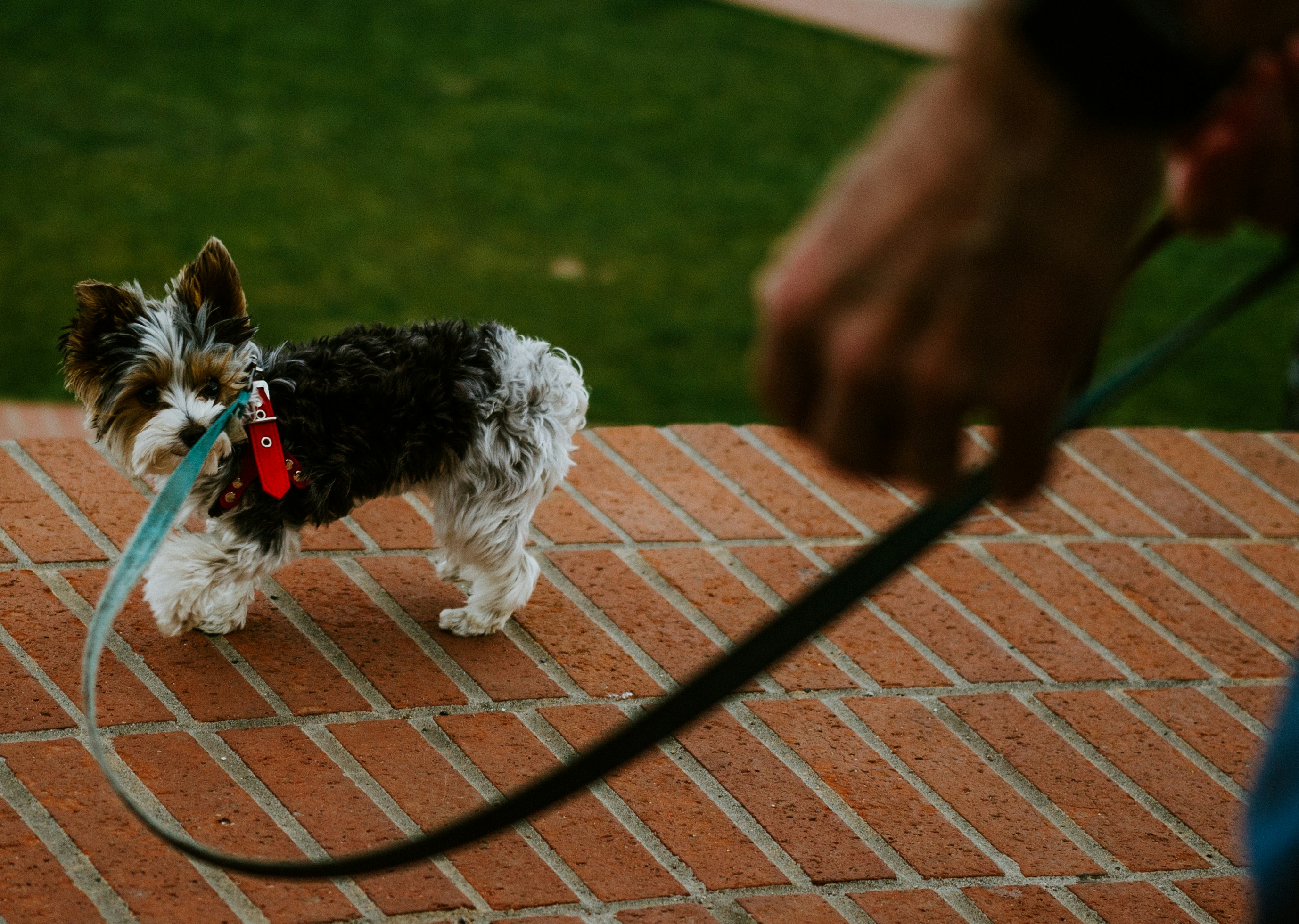
Step 3: Reward Position, Not Just Loose Leash
While "be a tree" addresses pulling, we want to go beyond that to teach your dog where they should walk:
- Choose your preferred position for your dog (typically at your side or slightly in front).
- Mark and reward this position frequently during walks with small, high-value treats.
- Use a consistent cue like "with me" or "let's go" to signal loose-leash walking time.
- Practice position changes by randomly stopping, starting, and changing direction, rewarding your dog for staying with you.
The key is generously rewarding your dog for being in the right position, especially at the beginning. This creates a positive association with walking beside you rather than pulling ahead.
Step 4: Implement Environmental Management
Setting your dog up for success means managing the environment during the learning phase:
- Start in boring environments with minimal distractions, like your hallway, backyard, or a quiet street.
- Gradually increase difficulty as your dog improves, moving to more stimulating environments.
- Use a "sniff break" cue that grants your dog permission to explore and satisfy their natural sniffing instincts on your terms.
- Exercise before training walks with a game of fetch or tug to take the edge off excess energy.
- Consider separate "exercise walks" and "training walks" to meet both your dog's physical needs and training requirements.
Remember that some environments may be too challenging during the early stages. It's perfectly acceptable to use a different walking setup (like a longer line in an open field) for highly stimulating situations while you're still training.
Step 5: Build Duration and Consistency Through Games
Turning loose-leash walking into a game makes it more enjoyable for both you and your dog:
- The "1-2-3 Treat" Game: Count steps while your dog walks nicely, then reward. Gradually increase the number of steps between rewards.
- Random Rewards: Vary the timing of treats to keep your dog engaged and guessing when the next reward might come.
- Direction Changes: Make sudden (but gentle) changes in direction, rewarding your dog for quickly adjusting to follow you.
- Speed Changes: Practice walking at different paces, rewarding your dog for matching your speed.
- "Red Light, Green Light": Stop unexpectedly and reward your dog for stopping too, then start again with enthusiasm.
These games keep training sessions mentally stimulating for your dog and help generalize loose-leash walking skills across different scenarios.
When Progress Stalls: Troubleshooting Common Challenges
Even with the best approach, you may encounter setbacks. Here's how to address them:
- Inconsistent results: Ensure all family members are using the same techniques and cues.
- Pulling toward high-value distractions: Practice the "Look at That" game where you reward your dog for calmly noticing triggers without pulling.
- Seemingly random pulling: Your dog might be picking up scents or sounds you aren't aware of—be patient and consistent with your response.
- Excitement at the beginning of walks: Spend time outside before officially starting your walk to let initial excitement dissipate.
The Path to Walking Harmony
Leash training isn't accomplished overnight—it's a gradual process that requires patience and consistency. Most dogs show significant improvement within 2-4 weeks of consistent training, but complete reliability around high distractions may take several months.
The investment is well worth it. Imagine peaceful walks where both you and your dog enjoy the journey, free from frustration and physical strain. That's the reality for thousands of dog owners who have implemented these positive, science-based techniques.
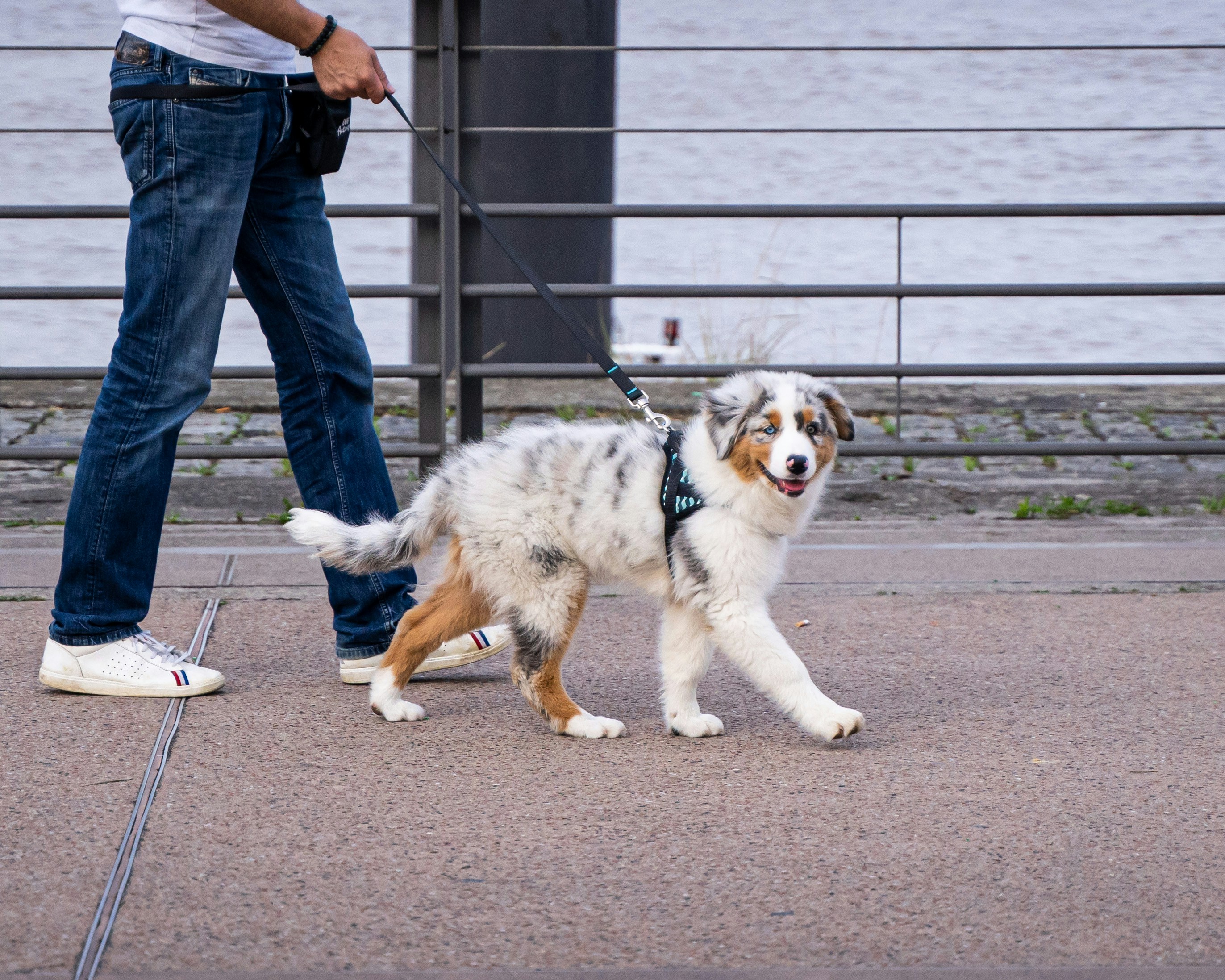
At AutoDoggy, our AI-highly focused, personalized training plans training plans can customize this loose-leash walking framework specifically for your dog's breed, age, previous training history, and individual personality traits. We provide day-by-day guidance and troubleshooting support to help you overcome your specific challenges.
Ready to transform your walks from tug-of-war to enjoyable adventures? Get your personalized leash training plan from AutoDoggy today.