
Nip It in the Bud: Effective Strategies for Stopping Puppy Biting and Mouthing
Nip It in the Bud: Effective Strategies for Stopping Puppy Biting and Mouthing
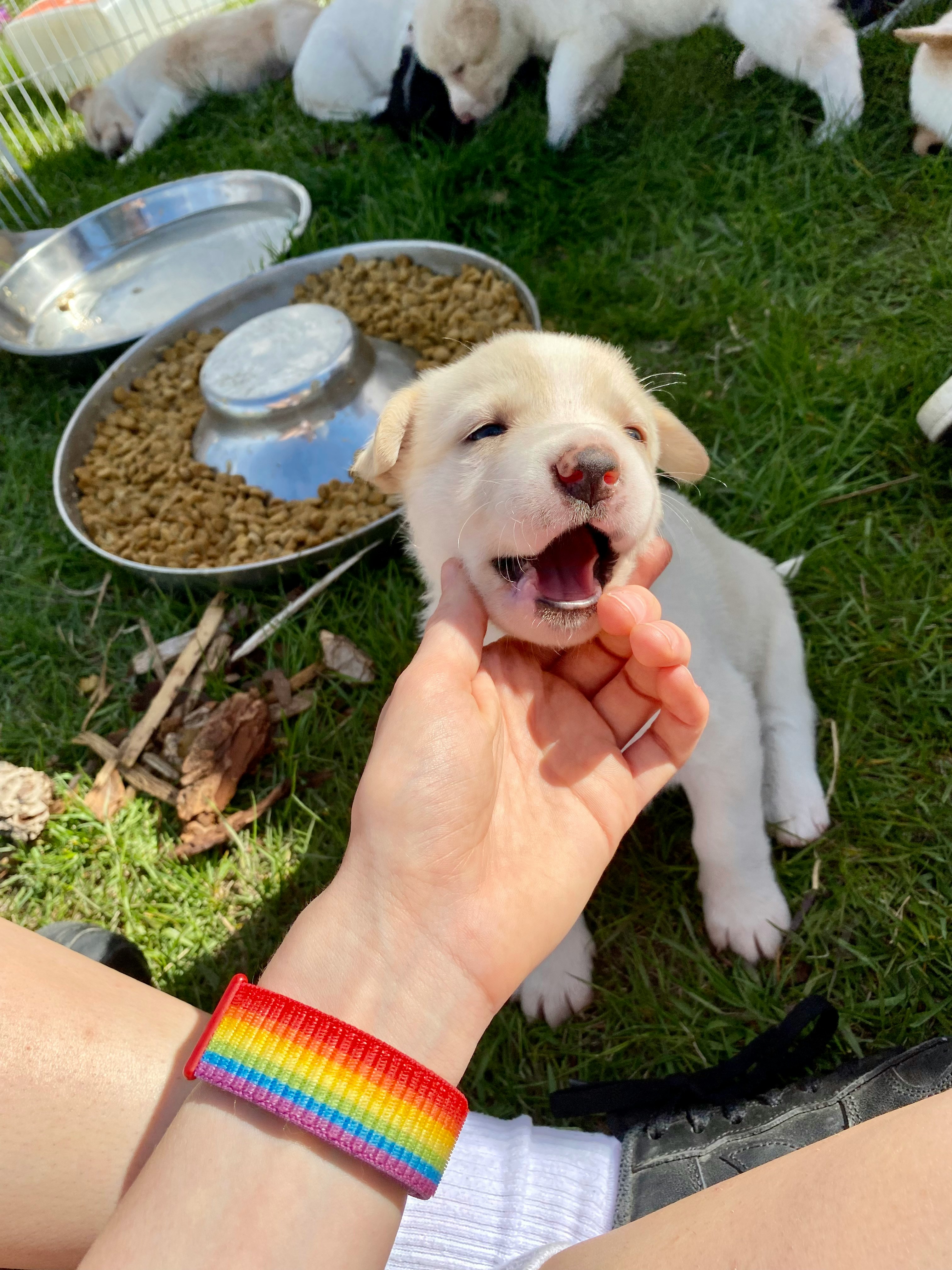
Those needle-sharp puppy teeth! If you're raising a puppy, you're likely all too familiar with the painful nips, the shredded clothing, and possibly even the small wounds that come along with puppy biting. It's one of the most common and frustrating parts of puppyhood, leaving many pet parents wondering, "Is my puppy aggressive?" or "Will my puppy ever stop biting?"
The good news is that mouthing and biting are completely normal puppy behaviors—not signs of aggression or future behavioral problems. Even better news? With the right approach, you can effectively teach your puppy appropriate mouth behaviors and transform those piranha teeth into a gentle, soft mouth.
At AutoDoggy, we've analyzed thousands of successful training plans to bring you the most effective strategies for addressing puppy biting. Let's dive into why puppies bite and how to guide them toward better behavior.
Understanding Puppy Biting: Why Those Teeth Are So Busy
Before implementing solutions, it helps to understand why puppies bite so much:
Natural Developmental Behavior
Puppies explore their world primarily through their mouths. Just as human babies put everything in their mouths, puppies use mouthing to learn about their environment. This is completely normal developmental behavior.
Teething Discomfort
Between 3-6 months of age, puppies lose their deciduous (baby) teeth as adult teeth emerge. This process can be uncomfortable, increasing the urge to chew and bite to relieve gum pressure and pain.
Play Behavior
In puppy litters, biting is a primary play behavior. Puppies learn crucial skills through play-biting with siblings, including how to control the force of their bite (called "bite inhibition").
Attention-Seeking
Many puppies quickly learn that biting gets an immediate reaction from humans—even if that reaction is negative. Any attention can be rewarding to a puppy craving interaction.
Overarousal/Overstimulation
When puppies become too excited or overtired, their biting often intensifies. Many owners observe "witching hours" when their puppy seems to become especially mouthy.
Understanding these motivations helps us address the root causes rather than just suppressing the behavior.
The Truth About Puppy Biting: What Works and What Doesn't
Let's clear up some common misconceptions about managing puppy biting:
What Doesn't Work
Punitive approaches like:
- Alpha rolls or physical corrections
- Yelling or hitting
- Holding the puppy's mouth closed
- Spraying with water or other aversives
These techniques might temporarily interrupt biting but come with significant drawbacks:
- They don't teach the puppy what TO do instead
- They can damage trust between you and your puppy
- They often increase excitement and biting in some puppies
- They fail to teach the crucial skill of bite inhibition
- They can create fear or anxiety that leads to other problem behaviors
What Actually Works
The most effective approach combines several evidence-based techniques:
- Teaching bite inhibition (soft mouth) before stopping mouthing completely
- Providing appropriate outlets for normal chewing/biting needs
- Managing the environment to prevent rehearsal of unwanted behavior
- Teaching alternative, incompatible behaviors
- Addressing triggers like overarousal and overstimulation
Let's explore these effective approaches in detail.
The 5-Step Protocol for Reducing Puppy Biting
Step 1: Teach Bite Inhibition First
Before stopping all mouthing, focus on teaching your puppy to control the force of their bite. This is a crucial life skill that could prevent serious injury if your adult dog ever bites in an emergency situation.
Implementation:
- When your puppy bites too hard, give a calm, high-pitched "ouch" or "eep" (mimicking puppy signals)
- Briefly pause play or attention (2-3 seconds)
- Resume interaction if the puppy is calmer
- Gradually increase your sensitivity, responding to progressively gentler pressure
- Only move to completely stopping all mouthing once your puppy consistently uses a gentle mouth
Dogs with good bite inhibition learn that human skin is delicate and requires special care, even during play.
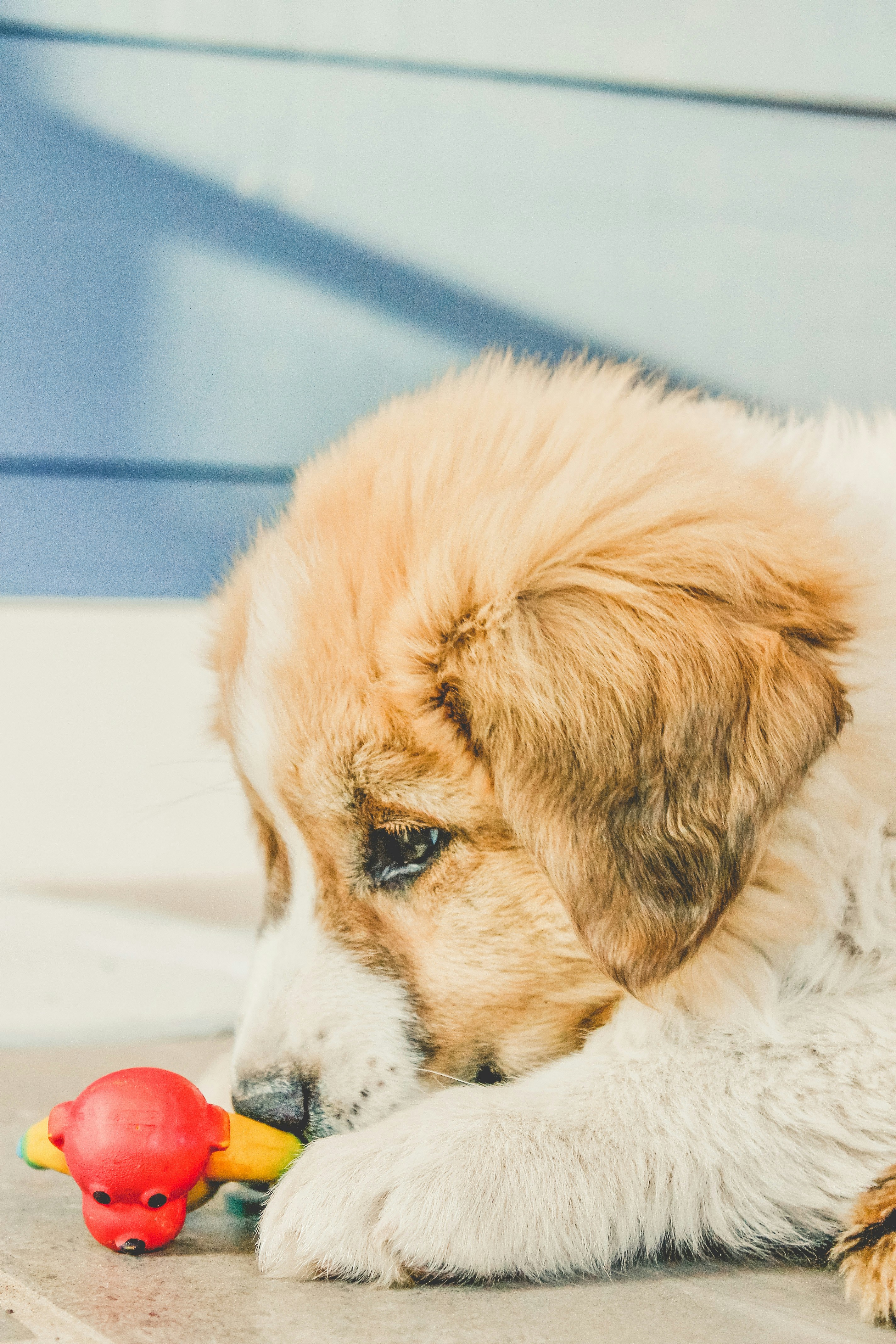
Step 2: Redirect to Appropriate Chew Items
Your puppy has a physical need to mouth and chew. Meeting this need appropriately prevents frustration and reduces inappropriate biting.
Implementation:
- Keep appropriate chew toys within arm's reach at all times
- When biting starts, immediately redirect to an appropriate toy
- Make the toy engaging through movement and interaction
- Praise and continue play when your puppy chews the toy instead of you
- Rotate toys regularly to maintain interest
- Experiment to discover your puppy's texture preferences (some prefer soft, others firm)
Step 3: Use Strategic Interruption and Withdrawal
When redirection doesn't work, a brief social consequence can be effective.
Implementation:
- When your puppy bites and won't redirect to a toy, calmly say "too bad" or "game over"
- Stand up, turn away, or step over a baby gate
- Briefly remove attention (15-30 seconds)
- Return and engage with a calmer puppy, offering an appropriate toy
- Be consistent—every family member should respond the same way
- If biting immediately resumes, repeat the consequence or consider that your puppy might need a nap
This technique teaches your puppy that biting makes fun things end, while appropriate play continues.
Step 4: Manage the Environment for Success
Prevention is easier than correction. Set up your puppy's environment to minimize opportunities for inappropriate biting.
Implementation:
- Use exercise pens or baby gates to provide safe timeout spaces
- Keep a drag leash on your puppy indoors (under supervision) for easier management
- Dress for success with puppy-appropriate clothing (no flowy sleeves or pant legs)
- Schedule regular naptime in a crate or quiet area (overtired puppies bite more)
- Provide adequate exercise and mental stimulation to reduce frustration
- Keep a toy in every room for quick redirection
Good management prevents your puppy from practicing unwanted biting while you teach alternative behaviors.
Step 5: Teach Incompatible Behaviors
The most sustainable approach is teaching your puppy what to do instead of biting.
Implementation:
- Reward keeping "four on the floor" during greetings rather than jumping and nipping
- Teach and reward a "settle" behavior on a mat
- Practice "hand targets" where your puppy touches their nose to your hand (can't bite while targeting)
- Train "fetch" and "tug" with clear rules for appropriate mouthing of toys
- Reward calm behavior, especially in exciting situations
- Use clicker training or marker words to precisely capture moments of gentle interaction
These skills give your puppy acceptable ways to interact with humans that don't involve inappropriate biting.
Managing Common Challenging Scenarios
Some situations trigger more intense biting. Here's how to handle them:
The Overexcited Greeter
For puppies who nip during excited greetings:
- Keep greetings low-key; ignore your puppy until they're calm
- Ask visitors to ignore your puppy until sitting calmly
- Have visitors toss treats on the floor (keeps puppy's mouth busy finding treats)
- Keep a toy near the door to redirect biting to something appropriate
- Consider keeping your puppy on leash during greetings initially
The Overtired Terror
For puppies who become bitey when overtired:
- Learn to recognize early signs of fatigue (zoomies often precede overtired biting)
- Implement a consistent nap schedule (most puppies need 18-20 hours of sleep daily)
- Provide a quiet, comfortable crate or pen for enforced rest periods
- Calmly move an overtired puppy to their rest area before biting escalates
- Keep interactions brief and calm when your puppy is due for a nap
The Arousal Biter
For puppies who bite during play or excitement:
- Keep play sessions shorter and calmer
- Take frequent play breaks before excitement escalates
- Teach a "settle" or "calm" cue and practice during mild excitement
- Identify your puppy's arousal threshold and stay below it during training
- Gradually build duration of play while maintaining control
The Grabby Walker
For puppies who bite leashes, pant legs, or shoes during walks:
- Bring high-value toys to redirect onto during walks
- Practice loose-leash walking in low-distraction environments first
- Use a treat pouch and reward frequently for walking nicely
- Stop walking the instant biting starts
- Consider a front-clip harness for better control without punishment
Age-Appropriate Expectations: When Will It Get Better?
Understanding the typical timeline for improvement helps maintain perspective:
- 8-10 weeks: Exploration biting is at its peak; focus on redirection and initial bite inhibition
- 10-12 weeks: Expect some improvement in bite inhibition but still frequent mouthing
- 12-16 weeks: Teething intensifies; need for appropriate chewing outlets increases
- 4-5 months: Noticeable improvement in bite inhibition; adult teeth coming in
- 5-6 months: Most puppies showing good bite inhibition; frequency of mouthing decreasing
- 6-9 months: Mouthing should be occasional and gentle; may increase temporarily during adolescence
- 12-18 months: Adult mouth manners stabilized with consistent training
Remember that smaller breed puppies often develop more quickly, while larger breeds may take longer to gain full control of their bodies and mouths.
Common Questions About Puppy Biting
"My puppy only bites certain family members. Why?"
Different people often unknowingly reinforce different behaviors. The person getting bitten most may:
- Move their hands/feet in more exciting ways
- Respond more dramatically (providing entertaining reactions)
- Be less consistent with consequences
- Engage in more exciting play
Solution: Ensure everyone in the household follows the same protocol.
"We've tried everything and my puppy is still biting hard. Help!"
When standard approaches aren't working, consider:
- Insufficient exercise (mental and physical)
- Overtiredness (most puppies need more sleep than owners realize)
- Inconsistent responses from family members
- Medical issues like teething pain or discomfort
- Reinforcement history (has biting "worked" to get attention?)
- Need for more structured interactions and clearer boundaries
"Is my puppy aggressive if they growl while biting?"
Puppy play-growling is normal and different from aggressive growling. During play:
- The body remains loose and bouncy
- Play bows often accompany growling
- The puppy easily interrupts the behavior
- The context is appropriate for play
Consult a professional if you observe stiff body language, resource guarding, or growling in non-play contexts.
"Should I avoid rough play altogether?"
Appropriate rough play can be beneficial when:
- You establish and enforce clear boundaries
- Your puppy can maintain self-control
- You can redirect arousal before it becomes too intense
- Play includes frequent brief pauses
- Your puppy responds well to calming cues
If rough play consistently leads to over-arousal and hard biting, temporary avoid it while working on fundamental skills.
The Bigger Picture: Beyond Bite Inhibition
While addressing puppy biting, remember you're teaching broader life skills:
- Emotional regulation: Learning to manage excitement and frustration
- Social boundaries: Understanding appropriate ways to interact
- Impulse control: Developing the ability to inhibit natural urges
- Communication: Learning to "speak human" while humans learn to "speak dog"
- Trust: Building a relationship where guidance, not punishment, solves problems
These skills form the foundation for your lifelong relationship with your dog.
At AutoDoggy, our AI-highly focused, personalized training plans training plans can analyze your puppy's specific biting patterns and create a customized protocol based on their age, breed tendencies, and the specific challenging scenarios you're facing. We provide day-by-day guidance to implement these evidence-based techniques effectively.
Ready to transform those razor teeth into a gentle mouth? Get your personalized puppy biting solution plan from AutoDoggy today.