
Separation Anxiety Solutions: Creating Calm When You Leave Your Dog Alone
Separation Anxiety Solutions: Creating Calm When You Leave Your Dog Alone

The heart-wrenching howls as you close the front door. The frantic scratching at windows. The destroyed furniture or accidents you find upon returning home. These are the hallmarks of a dog suffering from separation-related distress—one of the most challenging and misunderstood canine behavioral issues.
For many dog parents, leaving their furry friend alone can become a source of daily stress and guilt. But here's what's important to understand: separation anxiety isn't a training failure or a sign of a "bad dog." It's a genuine emotional response that requires compassion and a structured approach to resolve.
At AutoDoggy, we've analyzed thousands of successful separation anxiety cases to create evidence-based solutions that can transform your dog's alone time from distressing to peaceful. Whether you're dealing with mild alone-time jitters or full-blown separation anxiety, we'll guide you through proven strategies to help your dog feel secure when you're not there.
Understanding Separation-Related Behaviors: What You're Really Seeing
Before diving into solutions, it's crucial to understand what's happening when your dog struggles with being alone:
True Separation Anxiety vs. Normal Alone-Time Issues
Not all problematic alone-time behaviors qualify as clinical separation anxiety:
Normal adjustment issues often include:
- Occasional barking/whining that settles within 10-15 minutes
- Minor destructive behavior due to boredom or excess energy
- Intermittent accidents despite being house-trained
- Improvement with simple management strategies
True separation anxiety typically involves:
- Immediate distress when the owner prepares to leave
- Intense anxiety behaviors beginning within minutes of departure
- Consistent pattern of destruction, vocalization, or elimination when alone
- Physiological stress responses (drooling, panting, trembling)
- Inability to relax or settle when alone
- Extreme, almost desperate greeting behaviors upon return
It's important to distinguish between these because the approaches differ significantly. While normal alone-time issues often respond well to basic management, true separation anxiety requires a more comprehensive approach.
The Most Common Separation-Related Behaviors
Dogs experiencing separation distress commonly display:
- Vocalization: Barking, howling, whining that persists beyond a few minutes
- Destruction: Particularly around exit points (doors, windows) or owner-scented items
- House-soiling: Despite being fully house-trained when owners are present
- Escape attempts: Scratching/digging at doors, breaking through screens, climbing fences
- Self-injury: From broken teeth/nails during escape attempts to obsessive licking/chewing
- Physiological symptoms: Excessive drooling, panting, vomiting, diarrhea
- Inability to eat: Refusing food when alone, even high-value treats
Understanding which behaviors your dog exhibits helps tailor the right intervention approach.
The Science Behind Separation Anxiety: Why It Happens
While we once believed separation anxiety stemmed primarily from "spoiling" dogs or poor training, research now reveals more complex origins:
- Attachment style development: Dogs, like humans, develop attachment styles in early life that affect how they handle separations later
- Insufficient alone-time training: Many dogs never learn to self-soothe or enjoy solitary time
- Traumatic experiences: Scary events that happened while alone can create lasting associations
- Background and genetics: Some breeds and individuals are genetically predisposed to anxiety
- Changes in routine: Moving homes, family structure changes, or schedule disruptions can trigger onset
- Age-related factors: Both puppies and senior dogs are more vulnerable to separation issues
- Post-pandemic adjustment: Dogs accustomed to constant companionship during lockdowns often struggle with "normal" alone time
Most separation anxiety develops from a combination of these factors rather than a single cause.
Prevention: Setting Your Dog Up for Alone-Time Success
For puppies or newly adopted dogs without established separation issues, prevention is far easier than treatment:
Start Early with Short Absences
Implementation strategy:
- Begin with extremely brief departures (seconds to minutes)
- Vary your pre-departure cues to prevent anxiety-producing associations
- Return before your dog shows signs of distress
- Gradually extend absence duration as your dog shows comfort
- Practice multiple mini-departures daily rather than fewer long ones
Create Positive Alone-Time Associations
Implementation strategy:
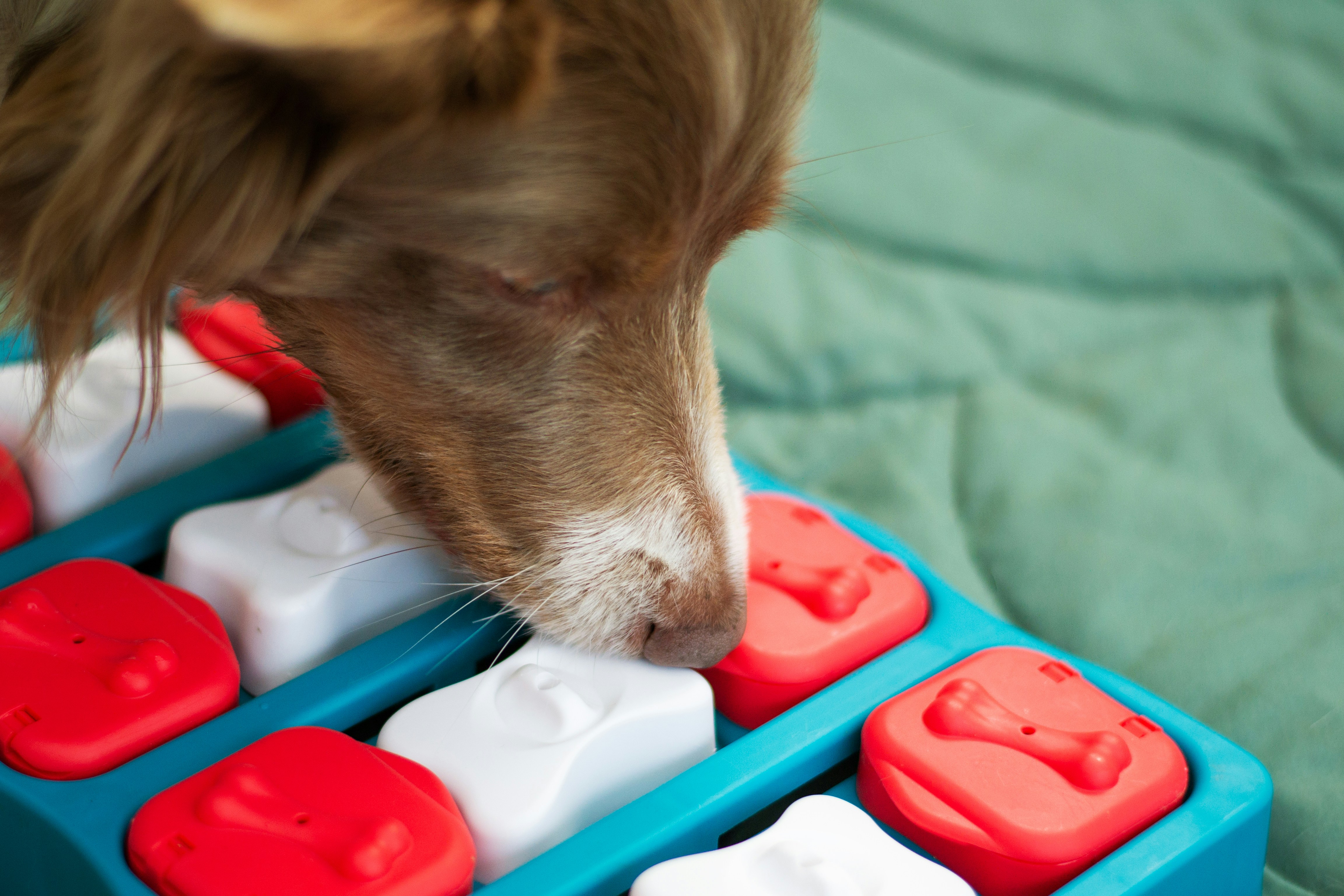
- Provide special high-value puzzle toys or chews exclusively during alone time
- Use background noise (radio, TV) to reduce environmental startle triggers
- Leave recently worn clothing with your scent in your dog's resting area
- Create comfortable "decompression zones" where your dog feels secure
- Always return at sub-threshold intervals before anxiety begins
Teach Independence While You're Home
Implementation strategy:
- Encourage independent play with self-entertaining toys
- Reward calm behavior when your dog is resting away from you
- Practice short separations within the home (different rooms)
- Avoid creating expectations of constant physical contact
- Gradually introduce barriers (baby gates) while maintaining visual contact
Avoid Inadvertently Reinforcing Anxiety
Implementation strategy:
- Keep departures and returns low-key (avoid excessive pre-departure affection)
- Ignore minor attention-seeking behaviors
- Reward calm, independent behavior rather than clinginess
- Maintain consistent daily routines
- Provide adequate physical and mental exercise before alone time
For many dogs, these preventative measures are sufficient to develop healthy alone-time skills. However, for dogs already experiencing separation anxiety, a more structured approach is necessary.
The Complete Treatment Protocol for Established Separation Anxiety
For dogs with established separation anxiety patterns, follow this comprehensive approach:
Step 1: Establish a Management Plan
Before beginning treatment, prevent rehearsal of anxious behaviors:
Management options:
- Doggy daycare for social dogs who enjoy canine company
- Dog walkers or pet sitters for mid-day breaks
- Friend/family assistance with supervision
- Work-from-home arrangements during initial treatment
- Dog-friendly workplaces if appropriate for your dog's temperament
- Remote monitoring (cameras) to assess anxiety levels
The goal is to prevent your dog from experiencing full-blown anxiety while you implement the training protocol.
Step 2: Address Physical and Environmental Contributors
Rule out or address factors that may exacerbate anxiety:
Key considerations:
- Veterinary exam to rule out medical issues (pain, urinary issues, cognitive decline in seniors)
- Exercise needs (insufficient physical activity can worsen anxiety)
- Environmental stressors (noisy construction, threatening visitors, etc.)
- Comfortable resting spaces (temperature, bedding, access to water)
- Possible medication support (discuss with your veterinarian)
Step 3: Implement Systematic Desensitization
The core of separation anxiety treatment is systematic desensitization to being alone:
Implementation protocol:
- Establish baseline threshold: Determine how long your dog can be alone before showing anxiety (often just seconds to minutes initially)
- Practice sub-threshold departures: Leave for durations under this threshold, gradually increasing time as your dog shows comfort
- Track progress methodically: Keep a log of durations and anxiety signals
- Address pre-departure cues: Desensitize your dog to anxiety triggers like picking up keys, putting on shoes, etc.
- Work on actual absences: Progress from being out of sight but in the home to actual departures
Many dogs require weeks or months of this gradual exposure to build comfort with alone time.
Step 4: Implement Supplementary Techniques
Alongside desensitization, these additional approaches can accelerate progress:
Supplementary techniques:
- Relaxation training: Teaching your dog to deliberately relax on cue
- Enrichment planning: Creating engaging environments that keep your dog occupied
- Background noise conditioning: Using music or white noise to mask triggering sounds
- Safe space training: Developing positive associations with a specific resting area
- Surrogate companionship: Testing whether another pet or even a realistic stuffed dog provides comfort
Step 5: Consider Professional Support Options
For severe or persistent cases, professional support can be invaluable:
Professional options:
- Certified separation anxiety trainers: Specialists who focus exclusively on this issue
- Veterinary behaviorists: Can provide comprehensive behavior modification plans and appropriate medication
- Remote training support: Many separation anxiety specialists now offer virtual consultations with video assessment
Tailored Solutions for Different Severity Levels
Separation issues exist on a spectrum, requiring tailored approaches:
For Mild Cases (Occasional Distress)
Focus on:
- Basic enrichment during absences
- Gradually increased alone-time practice
- Exercise before departures
- Background noise/music
- Predictable daily routines
For Moderate Cases (Regular Distress)
Focus on:
- Systematic desensitization to departures
- Addressing specific triggers (keys, shoes, etc.)
- Relaxation protocol training
- Environmental management
- Possible natural calming aids
For Severe Cases (Panic Level Anxiety)
Focus on:
- Comprehensive management to prevent anxiety episodes
- Professional guidance from a veterinary behaviorist
- Possible medication support during training
- Ultra-slow desensitization protocol
- Significant temporary lifestyle adjustments
Special Considerations for Different Situations
Working Long Hours
If you work long hours, consider:
- Breaking up the day with a midday dog walker
- Setting up interactive toys that dispense treats throughout the day
- Creating a safe zone with comfortable resting areas
- Using doggy daycare a few days per week
- Establishing a consistent morning exercise routine
Multi-Dog Households
If you have multiple dogs:
- Assess whether they provide comfort to each other or increase anxiety
- Train them separately initially if one dog is calmer alone
- Ensure each dog has their own safe space to prevent resource guarding
- Monitor through cameras to see how they interact when you're gone
Recently Adopted Dogs
For newly adopted dogs:
- Implement a two-week "decompression period" with minimal alone time
- Gradually introduce alone-time training once the dog is settled
- Create predictable routines early on
- Watch for early signs of separation issues and address immediately
Common Pitfalls to Avoid
When addressing separation anxiety, avoid these common mistakes:
- Punishment: Never punish anxiety behaviors—it worsens the emotional response
- "Flooding": Forcing a dog to "just deal with it" by leaving them alone for long periods
- Inconsistency: Intermittent progress tracking or implementing techniques sporadically
- Unrealistic expectations: Expecting quick fixes for what is often a gradual process
- Skipping management: Allowing anxiety episodes while trying to train
Technology That Can Help
Modern technology offers helpful tools for separation anxiety treatment:
- Pet cameras with two-way audio: Allow monitoring and sometimes remote treat dispensing
- Smart pet doors: Can provide access to safe outdoor areas for some dogs
- Automated feeders/puzzle toys: Provide enrichment throughout the day
- GPS tracking collars: For dogs at risk of escape during anxiety episodes
- Automated training apps: Some offer guided protocols for separation training
The Road to Recovery: Setting Realistic Expectations
Understanding typical timelines helps maintain motivation during training:
- Mild cases: Often show significant improvement within 2-4 weeks of consistent work
- Moderate cases: Typically require 1-3 months of dedicated training
- Severe cases: May need 6+ months of systematic work with possible setbacks
- Recovery pattern: Progress is rarely linear—expect occasional regression followed by new breakthroughs
The key factor in successful treatment is consistency and patience. Most dogs can make significant progress with the right approach, even if some management remains necessary in certain situations.
When Medication Might Help
For some dogs, behavior modification works best with temporary or long-term medication support:
- Situational anti-anxiety medications: For predictable stressful events
- Daily medications: May be recommended for dogs with severe, persistent anxiety
- Natural supplements: Some evidence supports L-theanine, certain pheromone products, and other calming aids
Always consult your veterinarian before using any medication or supplement. These tools work best alongside—never replacing—behavior modification.
At AutoDoggy, our AI-highly focused, personalized training plans training plans can analyze your dog's specific separation behaviors and create a customized protocol based on their anxiety level, triggers, and your living situation. We provide day-by-day guidance to implement these evidence-based techniques effectively.
Ready to help your dog feel comfortable when home alone? Get your personalized separation anxiety solution plan from AutoDoggy today.