
Social Skills for Your Pooch: A Guide to Safe and Positive Dog-Dog Introductions
Social Skills for Your Pooch: A Guide to Safe and Positive Dog-Dog Introductions
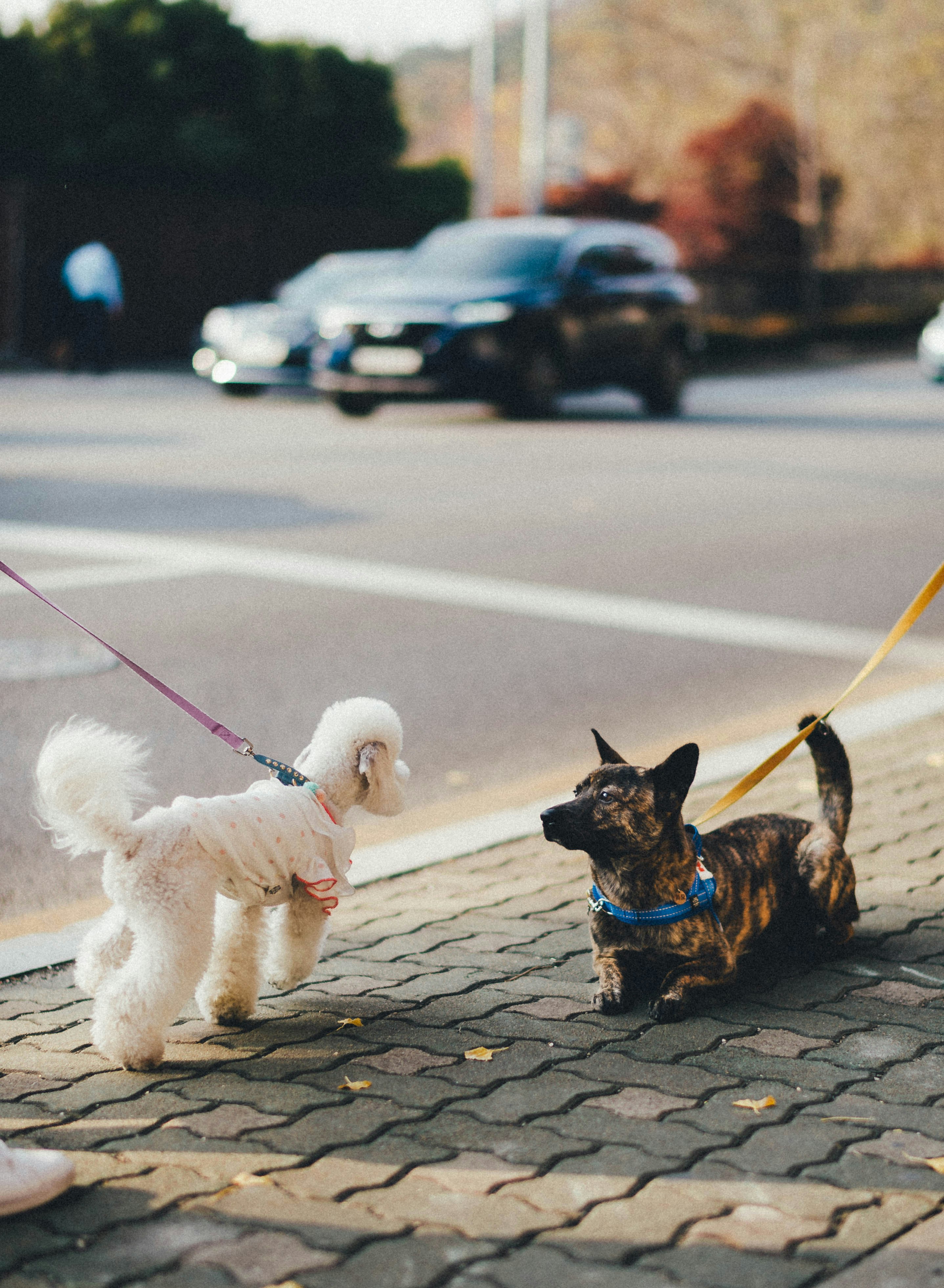
"Can my dog say hi to yours?"
This seemingly simple question can prompt anxiety for many dog owners. While some dogs naturally excel at canine social skills, others find dog-dog interactions challenging, overwhelming, or even frightening. And even dogs who generally enjoy other dogs benefit from thoughtfully managed introductions.
The truth is, not all dogs need or want to greet every dog they see—and that's completely okay! But when introductions are appropriate and desired, knowing how to facilitate them properly can mean the difference between a blossoming friendship and a negative experience that affects both dogs' future interactions.
At AutoDoggy, we believe in setting dogs up for success through well-managed, consent-based introductions that respect each dog's individual comfort level. Let's explore how to create positive first impressions between dogs and build healthy canine relationships.
Understanding Canine Social Skills: It's Not Just About Being "Friendly"
Before diving into introduction techniques, it's helpful to understand what healthy dog-dog interactions actually look like:
The Myth of Universal Dog Sociability
One common misconception is that all "good" dogs should enjoy meeting and playing with any dog they encounter. The reality is more nuanced:
- Individual preferences: Just like humans, dogs have distinct social preferences and comfort levels
- Breed tendencies: Some breeds were developed to work independently rather than cooperatively with other dogs
- Developmental factors: Early socialization experiences significantly impact adult dog-dog social skills
- Age considerations: Puppies, adolescents, adults, and seniors interact differently with other dogs
- Health factors: Pain, sensory decline, or medical conditions can affect social behavior
A dog who prefers selective interactions or even avoids most other dogs isn't "bad"—they simply have different social needs than more gregarious dogs.
What Healthy Dog Interactions Look Like
Positive dog-dog interactions typically include:
- Balanced engagement: Both dogs show interest in the interaction
- Loose, fluid body language: Relaxed postures, smooth movements
- Play signals: Play bows, bouncy movements, self-handicapping
- Reciprocity: Taking turns being the chaser/chased, periodic role reversals
- Pauses: Brief breaks in play for self-regulation
- Appropriate arousal: Excitement without tipping into over-arousal
- Disengagement skills: Ability to walk away or take breaks when needed
Even between compatible dogs, these elements develop over multiple interactions—they rarely all appear during first meetings.
The Foundation: Setting the Stage for Successful Introductions
Proper preparation creates the conditions for positive first meetings:
Pre-Introduction Assessment
Before arranging any introduction, honestly assess each dog:
- Social history: Past experiences with other dogs (positive, negative, limited)
- Body language literacy: Your ability to read subtle signals from both dogs
- Trigger awareness: Specific contexts that might cause tension (toys, food, space)
- Handler control: Your ability to manage your dog without tension
- Physical exercise needs: Whether dogs need activity before a calmer introduction
- Health considerations: Whether either dog has physical limitations
This assessment helps determine the most appropriate introduction format.
Choosing the Right Environment
Location significantly impacts introduction success:
Ideal introduction environments have:
- Neutral territory: Not strongly associated with either dog
- Sufficient space: Room for dogs to maintain comfortable distance
- Limited distractions: Minimal competing stimuli
- Safety features: Secure boundaries, escape-proof barriers if needed
- Minimal trigger presence: No valued toys, food, or other resources
- Exit options: Easy ways to end the interaction if needed
A quiet, open area like a lightly used field, empty park section, or spacious backyard (not belonging to either dog) often works well.
The Right Equipment
Proper equipment provides control without creating tension:
- Well-fitted harnesses: Front-clip or back-clip depending on your dog's needs
- Secure, comfortable collars: As backup to harnesses
- Standard 6-foot leashes: Avoid retractable leashes for introductions
- Long lines: Optional for later stages of controlled freedom
- Appropriate barriers: Ex-pens, gates, or similar if using barrier methods
- High-value rewards: To reinforce calm behavior and create positive associations
Avoid equipment that can create negative associations during introductions, such as choke chains, prong collars, or shock collars.
The 3 Introduction Methods: Choosing the Right Approach
Different dogs benefit from different introduction styles. Here are three effective options:
Method 1: The Parallel Walk (Most Universal)
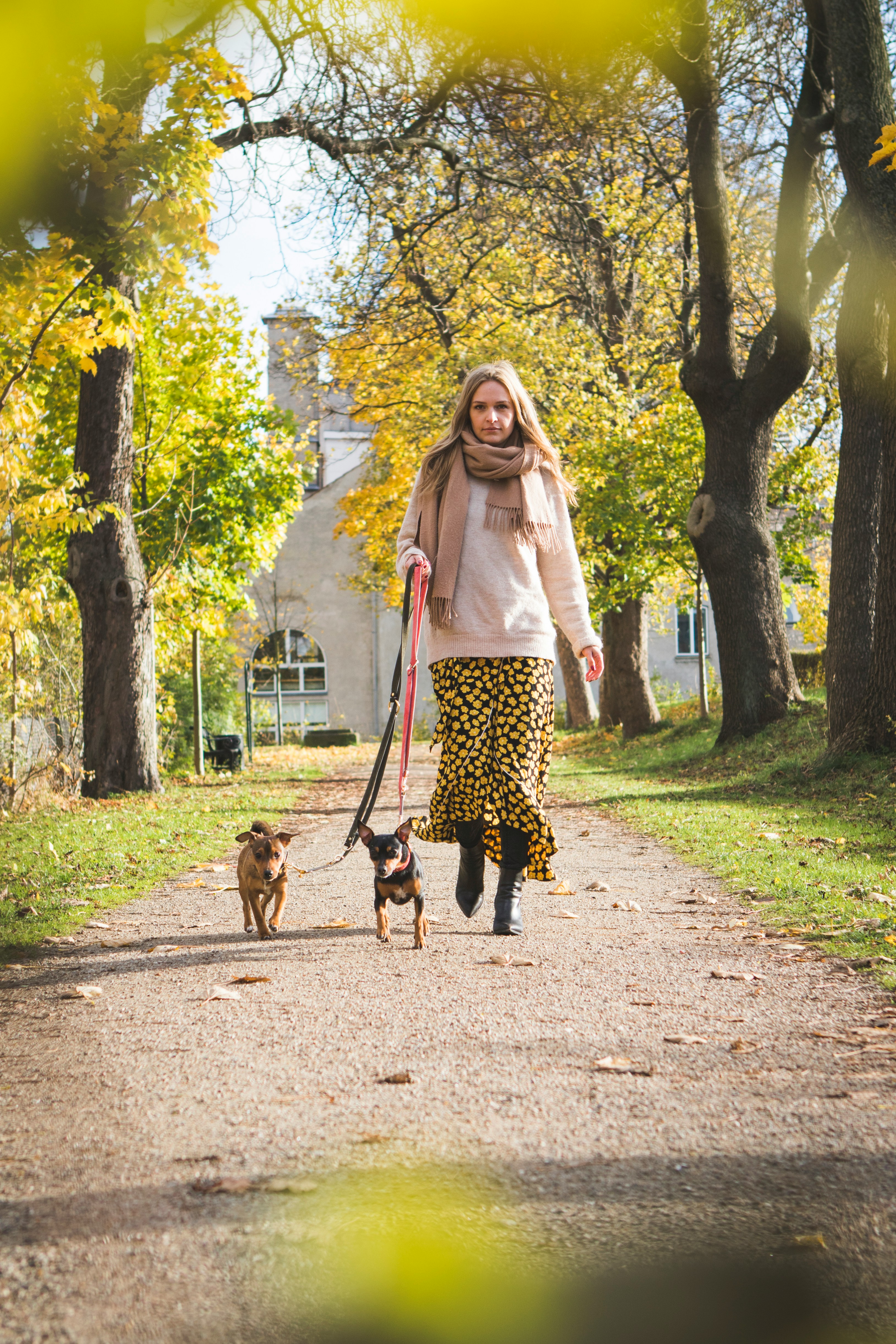
The parallel walk is suitable for most dogs and creates association without direct interaction pressure:
Implementation:
- Begin with dogs on opposite sides of a wide path, street, or field
- Walk in the same direction, parallel to each other
- Maintain sufficient distance that both dogs remain calm and can focus on their handlers
- Gradually decrease distance as both dogs show relaxed, neutral, or positive interest
- Allow brief, calm sniffing moments when both dogs appear ready
- Return to walking if any tension appears
- End the interaction on a positive note, before either dog shows fatigue or frustration
This method works particularly well for:
- Dogs with uncertain histories
- Reactive or anxious dogs
- Dogs who become overly excited on first meeting
- Most adult dogs regardless of background
Method 2: The Barrier Method
Using a visual barrier that still allows scent and partial visual contact can help more reactive or uncertain dogs:
Implementation:
- Position dogs on opposite sides of a see-through fence, exercise pen, or similar barrier
- Keep leashes loose, maintaining enough distance for comfort
- Allow dogs to investigate the barrier and notice each other at their own pace
- Reward calm behavior and interest without fixation
- Gradually decrease distance as comfort increases
- After positive barrier interactions across multiple sessions, progress to parallel walking
This method works particularly well for:
- Dogs with reactivity or aggression histories
- Highly aroused or overstimulated dogs
- Fearful dogs who need extra security
- Dogs who need extended assessment time
Method 3: The Open Space Method
For naturally social, well-adjusted dogs, a more direct approach in open space may work:
Implementation:
- Choose a spacious, low-distraction area
- Begin with dogs on loose leashes at a distance
- Walk in a large arc, approaching at an angle rather than head-on
- Allow brief 3-5 second greeting with loose leashes
- Move on with a cheerful tone, preventing extended face-to-face interaction
- Continue walking, allowing periodic brief interactions
- Watch for play solicitation signals that indicate interest in further interaction
- If all body language remains appropriate, consider progressing to off-leash interaction in a secure area
This method works particularly well for:
- Socially experienced, confident dogs
- Dogs with established history of positive interactions
- Puppies meeting appropriate adult dogs
- Dogs from the same household after separation
Reading Canine Body Language: The Critical Skill
The most important aspect of any introduction is your ability to recognize and respond to what the dogs are communicating:
Green Light Signals (Proceed with Introduction)
Look for these positive indicators:
- Loose, curved body posture
- Relaxed, blinking eyes
- Soft, squinting expression
- Play bows or bouncy movement
- Natural, relaxed tail carriage (not necessarily wagging)
- Taking treats easily
- Ability to shift attention between dog and handler
- Appropriate approach-retreat patterns
Yellow Light Signals (Proceed with Caution)
These signals suggest a need to slow down or adjust:
- Stiffening body briefly then relaxing
- Lip licking or yawning when not tired/hungry
- Shaking off when not wet
- Briefly raised hackles that then lower
- Heightened vigilance
- Rapid breathing that then slows
- Momentary freezing that resolves
- Increased height or forward weight shift
When you observe yellow light signals, increase distance, slow the pace, or take a break.
Red Light Signals (Stop Introduction)
These signals indicate the introduction should pause or end:
- Prolonged staring or hard eyes
- Sustained stiff posture
- Growling, snarling, or raised lips
- Lunging or barking with stiff body
- Persistent raised hackles
- Tucked tail with tense body
- Unable to disengage/fixated
- Snapping or air biting
When red light signals appear, calmly increase distance significantly or end the introduction session for now.
Special Introduction Scenarios
Some situations require additional considerations:
Introducing a New Dog to Your Resident Dog
When bringing a new dog home:
- Meet first on neutral territory using the parallel walk method
- Enter home with parallel walking around perimeter of yard
- Bring into home after sufficient positive neutral-ground interactions
- Remove valuable resources initially (toys, bones, beds)
- Supervise all interactions for at least several weeks
- Provide separate resting spaces and alone time
- Feed separately to prevent resource guarding
- Maintain individual relationships with each dog
Puppy-to-Adult Introductions
When introducing puppies to adult dogs:
- Choose adult dogs with known puppy tolerance
- Select calm, well-socialized adult dogs
- Keep initial interactions brief (puppies can be overwhelming)
- Advocate for the adult dog's boundaries
- Interrupt persistent puppy pestering
- Watch for appropriate adult corrections (controlled, proportionate responses)
- Provide the adult dog with breaks and puppy-free zones
- Supervise all interactions until the puppy has developed better social skills
Small Dog to Large Dog Introductions
When introducing dogs with significant size differences:
- Watch for body slamming or paw placement from larger dog
- Monitor play style closely for compatibility
- Intervene if the larger dog doesn't self-handicap
- Ensure the small dog isn't being overwhelmed
- Create size-appropriate escape routes for the smaller dog
- Be especially cautious with high-prey-drive breeds meeting small, fast-moving dogs
- Consider physical barriers that allow the small dog to retreat
Socially Awkward Dog Introductions
For dogs with limited social skills:
- Choose especially socially fluent "teacher" dogs
- Keep interactions brief initially
- Reward any appropriate social behaviors
- Use parallel walking extensively before direct interaction
- Focus on building positive associations rather than play
- Work with a professional for guided social experiences
Troubleshooting Common Introduction Challenges
Even with perfect planning, challenges can arise:
Leash Reactivity Despite Social Comfort
Some dogs display leash aggression yet play well off-leash:
- Build stronger leash walking skills independently
- Create distance-based positive associations with other dogs while on leash
- Use barrier methods initially
- Consider secure, contained spaces where dogs can be safely off-leash for introductions
- Work with a professional on specific desensitization protocols
Over-Arousal During Greetings
For dogs who become too excited during meetings:
- Exercise thoroughly before introductions
- Use the parallel walk method exclusively until arousal patterns improve
- Interrupt greetings before excitement escalates
- Practice focus and attention exercises around gradual dog distractions
- Keep greetings extremely brief (3 seconds maximum)
- Reward calm disengagement heavily
Mounting or Inappropriate Play Patterns
If concerning play behaviors emerge:
- Interrupt immediately without punishment
- Redirect to more appropriate interactions
- Take frequent breaks to prevent arousal buildup
- End sessions before overstimulation occurs
- Consider whether the dogs are well-matched
- Evaluate if the behavior is stress-related rather than play
Beyond Introductions: Building Healthy Ongoing Relationships
Once dogs have successfully met, nurture their relationship with these practices:
Structured Co-Activities
Engage in parallel activities that build positive associations:
- Parallel walking on trails or in parks
- Training sessions in the same vicinity
- Relaxed, supervised rest times near each other
- Scent games where each dog works independently
- Car rides to pleasant locations
These build familiarity without pressure for constant interaction.
Appropriate Play Sessions
Structure play for healthy interactions:
- Keep play sessions relatively short (5-15 minutes)
- Enforce frequent play breaks to prevent over-arousal
- Interrupt play patterns that become too intense
- End sessions while both dogs are still enjoying themselves
- Supervise all interactions until relationship is well-established
Reading the Relationship
Look for these signs of developing comfort:
- Relaxed proximity without interaction
- Respectful responses to each other's signals
- Easily interrupted play
- Voluntary space-sharing
- Appropriate greeting rituals
- Recovery after minor conflicts
Managing Multi-Dog Dynamics
For households with multiple dogs:
- Feed separately to prevent resource tension
- Provide adequate resources for all dogs
- Create individual spaces for each dog
- Maintain individual relationships with each dog
- Monitor for subtle tension patterns
- Address small conflicts before they escalate
- Acknowledge and accept relationship limitations
When to Seek Professional Support
Consider professional guidance if:
- Either dog has a history of aggressive behavior
- Introduction attempts have resulted in concerning interactions
- One or both dogs show persistent fear or avoidance
- You observe increasing tension over multiple meetings
- You feel anxious or uncertain during introductions
- The stakes are high (e.g., permanent household integration)
Options include certified dog trainers, behavior consultants, or veterinary behaviorists, depending on the severity of concerns.
Respecting Individual Social Needs
Perhaps the most important principle in dog-dog introductions is recognizing and respecting each dog's individual social preferences:
- Some dogs enjoy brief greetings but not extended play
- Others prefer specific play styles or personality types
- Many dogs become more selective about social interactions as they mature
- Most dogs don't need or want to interact with every dog they see
- Almost all dogs benefit from thoughtfully chosen, compatible playmates
There's no "one-size-fits-all" approach to canine social needs. A dog who prefers human companionship to dog play is just as "normal" as a social butterfly who loves meeting new dogs.
At AutoDoggy, our AI-highly focused, personalized training plans training plans can analyze your dog's social history, play style preferences, and current skill level to create a customized introduction protocol. We provide step-by-step guidance to help facilitate positive dog-dog interactions based on your specific situation.
Ready to help your dog navigate social interactions more successfully? Get your personalized dog social skills plan from AutoDoggy today.