
Decoding Dog Behavior: The Science Behind Your Pet's Actions
Decoding Dog Behavior: The Science Behind Your Pet's Actions
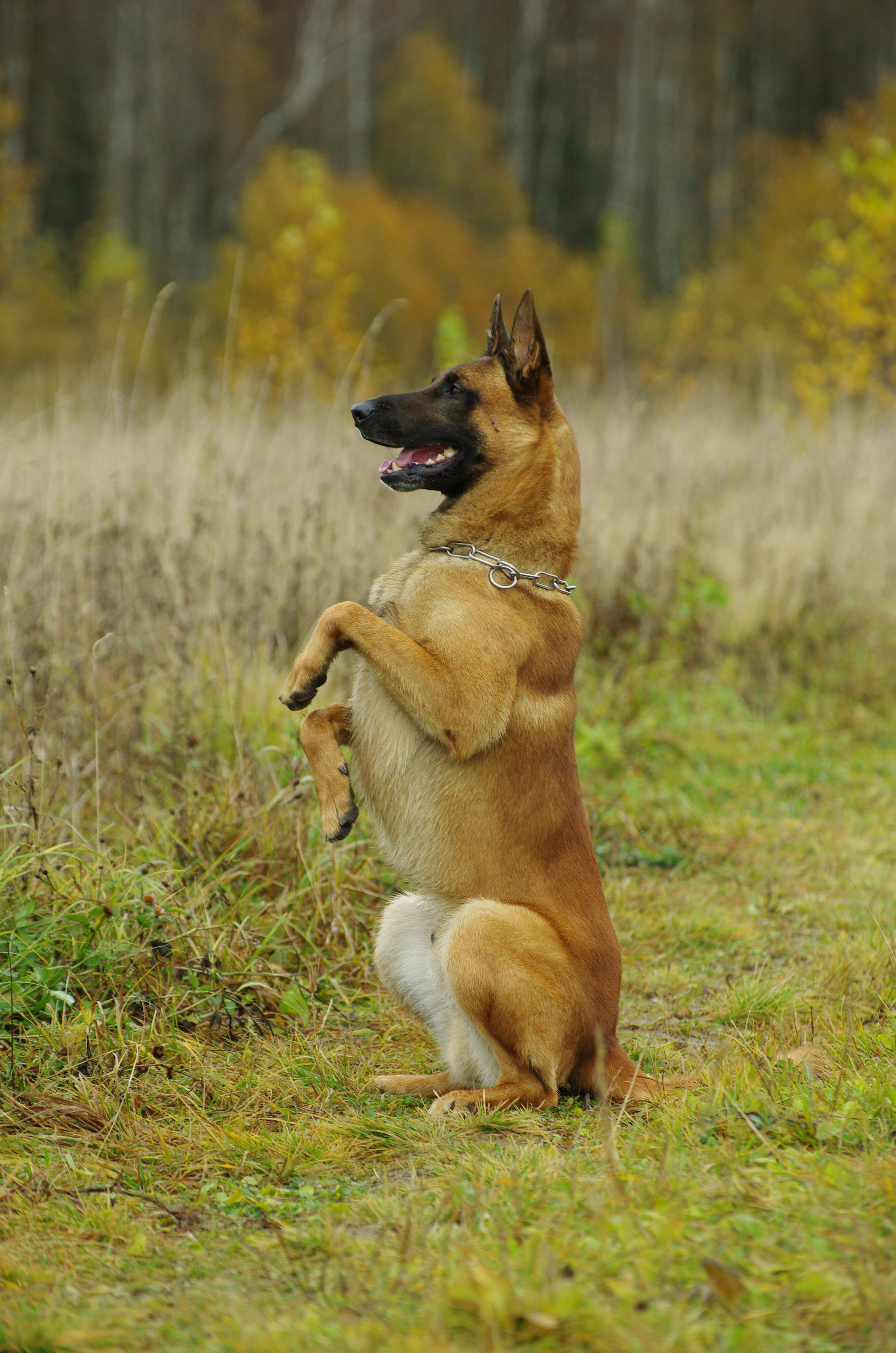
Have you ever wondered what your dog is trying to tell you when they tilt their head, wag their tail, or bark at seemingly nothing? Dogs have evolved alongside humans for thousands of years, developing complex communication systems. While they can't speak our language, they're constantly communicating with us through their body language, vocalizations, and behaviors.
Understanding these signals isn't just fascinating—it's essential for building a strong bond with your furry friend and addressing behavior issues effectively.
The Language of Tails
A dog's tail is perhaps one of their most expressive features, acting as a social signal to both humans and other dogs. However, tail movements can be easily misinterpreted:
-
The Broad, Relaxed Wag: When a dog wags their tail in a broad, sweeping motion with relaxed body posture, this typically indicates happiness and excitement. This is the classic "happy dog" wag we all recognize.
-
The High, Stiff Wag: A tail held high and wagging stiffly can actually indicate alertness or even potential aggression. The dog is stimulated and may be on the verge of reacting.
-
The Low Wag: A tail held low and wagging tentatively often signals anxiety or uncertainty. Your dog may be communicating submission or nervousness.
-
The Tucked Tail: A tail tucked between the legs is one of the clearest indicators of fear or stress in dogs. This posture requires immediate attention, as the dog is communicating significant discomfort.
Remember, always look at tail movements in context with the rest of your dog's body language. A wagging tail alone doesn't necessarily mean a happy dog!
Vocal Communications: Beyond Barking
Dogs vocalize in numerous ways, each carrying different meanings:
-
Barking: Varies widely in meaning depending on context, pitch, and intensity. Barks can signal excitement, warning, anxiety, playfulness, or attention-seeking.
-
Growling: While often associated with aggression, growling can actually be a crucial warning signal that helps dogs communicate boundaries. Never punish growling, as it may lead to a dog skipping this warning step in the future.
-
Whining: Usually indicates excitement, anxiety, or a request for something, whether that's food, attention, or to go outside.
-
Howling: Often a social call to connect with others, stemming from wolves' pack communication. Some dogs howl in response to triggers like sirens or certain music.
Reading Subtle Body Language
Beyond the obvious tail wags and barks, your dog communicates through subtle body cues:
-
Ear Positions: Forward ears indicate attention or curiosity. Ears pinned back suggest submission, anxiety, or fear. Relaxed ears in their natural position typically mean your dog is calm.
-
Eye Contact: Gentle, relaxed eye contact is friendly, while intense staring can be threatening. "Whale eye" (showing whites of eyes) typically indicates stress or discomfort.
-
Mouth Tension: A relaxed, slightly open mouth usually means a comfortable dog. Tight lips, raised lips showing teeth, or excessive panting (when not hot or exercising) can indicate stress or aggression.
-
Body Posture: A relaxed body with equal weight distribution signals comfort. Leaning forward shows interest, while leaning away or cowering indicates fear. A stiff, tall posture can signal confidence or potential aggression.
Common Behavior Misinterpretations
Several dog behaviors are commonly misunderstood by pet parents:
-
"Guilty" Look: Research shows the "guilty look" (lowered head, avoidance of eye contact) isn't guilt at all—it's a response to your body language showing you're upset. Dogs don't connect your discovery of their past misdeed with their action.
-
Destructive Behavior: Often labeled as spite or revenge, but typically stems from anxiety, boredom, or excess energy. Dogs don't destroy items to "get back at you" for leaving them alone.
-
Leash Reactivity: Many reactive dogs are labeled aggressive, when in reality they're often frustrated, anxious, or over-excited about greeting other dogs.
-
Resource Guarding: While concerning, this natural behavior stems from survival instincts, not dominance or meanness. It requires careful behavior modification, not punishment.
Using Technology to Better Understand Your Dog
Modern technology is opening new avenues for decoding dog behavior:
-
Activity Trackers: These dog-specific devices can help identify behavior changes that might indicate health issues long before they become obvious.
-
Pet Cameras: Allow you to observe your dog's behavior when alone, helping identify separation anxiety or other stress behaviors.
-
AI Analysis Tools: Emerging technologies like those used at AutoDoggy are beginning to analyze patterns in dog behavior to provide insights that might not be obvious to the human eye.
The Future of Dog-Human Communication
The science of dog behavior is constantly evolving. Researchers are discovering that dogs can recognize hundreds of words, understand complex gestures, and even detect subtle human emotional states through scent changes. As our understanding deepens, our ability to communicate effectively with our canine companions will only improve.
At AutoDoggy, we integrate the latest behavioral science into our training recommendations, ensuring that we're not just addressing the surface behaviors but understanding the underlying motivations and emotions guiding your dog's actions.
Learning Your Individual Dog's Language
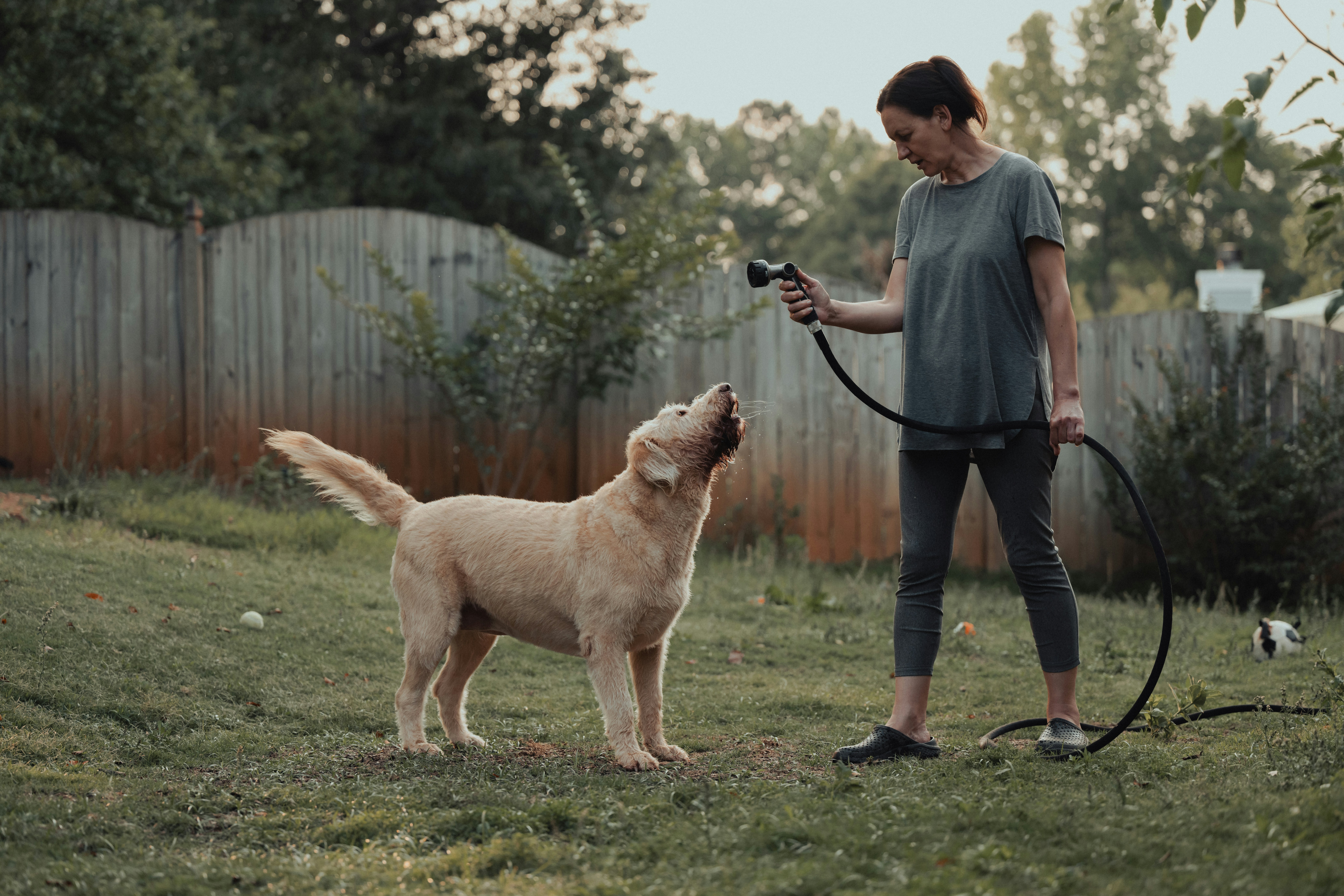
While these guidelines apply to most dogs, each dog is an individual with unique communication patterns. Take time to observe your specific dog in different contexts to learn their particular "dialect."
Remember that understanding your dog's communication is a two-way street. The more attentive you are to their signals, the more they'll learn to communicate clearly with you, creating a stronger bond built on mutual understanding.
Want to delve deeper into understanding your dog's unique behavioral patterns? Explore how AutoDoggy's personalized training can help.